Our blog covers local market statistics, community happenings, and other real estate topics. Please reach out if you have any questions at all. We’d love to talk with you!

YouTube Channel: https://www.youtube.com/@Homes701
Visit us on Instagram: thor_the_big_black_dog  |  701Drone

May 13, 2025

Is Your Home Insurable?

To find out if a North Dakota (ND) home is insurable, you have a few good options depending on the type of risk you're concerned about (e.g., flood, wildfire, general homeowner insurance). Here's how to go about it:

House - view of roof

Talk to an Insurance Agent

The fastest and most reliable way is to contact a licensed insurance agent in North Dakota. They can:

  • Run risk reports

  • Check your address against insurance company guidelines

  • Tell you if the home is insurable and under what conditions

💡 Some homes might be considered high-risk due to location (floodplain, wildfire-prone areas), condition, or prior claims.

Flood Insurance Lookup (FEMA/NFIP)

If you're concerned about flood risk, check:

  • FEMA’s Flood Map Service Center:
    https://msc.fema.gov/portal/home

  • Type in the address to see if it's in a Special Flood Hazard Area (SFHA).

  • If yes, you'll likely need flood insurance through the National Flood Insurance Program (NFIP) or a private insurer.

CLUE Report (Claims History)

The CLUE (Comprehensive Loss Underwriting Exchange) report shows past insurance claims on a property.

  • Ask the homeowner or seller for a copy of the CLUE report.

  • Insurance companies use this to decide if they'll offer a policy.

North Dakota Insurance Department

You can contact the ND Insurance Department to ask about general insurability concerns or for help finding a local agent:

Home Inspection

Some homes might be uninsurable because of their condition (old wiring, roof issues, etc.). A licensed home inspector can identify risks that might make insurance companies decline coverage.

May 7, 2025

Big Win for Homeowners: North Dakota Passes $1,600 Property Tax Credit

Home interior photoNorth Dakota homeowners just got a major boost. Governor Kelly Armstrong has signed House Bill 1176, a landmark property tax relief bill that triples the state's primary residence tax credit—from $500 to $1,600 per year, starting in the 2025-2027 biennium.

Funded by the state’s $12 billion Legacy Fund, this new credit is part of a broader effort to ease the financial burden on property owners while encouraging local governments to keep spending in check.

What’s Included:

  • 💵 $1,600 annual tax credit for primary residences

  • 📊 A 3% annual cap on local property tax budget increases (with carryover for unused portions)

  • 🧾 Expanded renter's refund program and more support for disabled veterans

Governor Armstrong called it a “historic package” and praised the bipartisan effort that made it possible. The bill passed with overwhelming support—86-4 in the House and 46-0 in the Senate.

This is a sustainable, long-term benefit that will grow as the Legacy Fund grows, meaning even more relief could be coming in future sessions.

Why It Matters:
If you own a home in North Dakota, this bill puts real money back in your pocket—and keeps local property taxes in check. It’s a clear signal that the state is listening to homeowners and taking action.


For more information, see https://www.governor.nd.gov/.

Posted in Taxes
May 5, 2025

Navigating Offers and Negotiations: Getting the Best Deal for Your Home

When your home hits the market and the offers start rolling in, it’s an exciting — and sometimes overwhelming — moment. The negotiation phase is critical, and having a solid strategy can make all the difference in securing the best outcome.

Here are a few tips to keep in mind as you navigate this important stage:

1. Evaluate Offers Thoroughly
Price matters, but so do other factors like contingencies, financing terms, and closing timelines. Every offer has its strengths and potential risks.

2. Act Quickly
Responding promptly keeps momentum strong and shows buyers you're serious and organized.

3. Use Counteroffers Strategically
If an offer isn’t quite right, a well-structured counteroffer can help bring both parties closer to agreement while still protecting your goals.

4. Manage Multiple Offers Smartly
If multiple offers come in, comparing them side-by-side will help you determine which is truly the strongest — not just in price, but overall terms.

5. Know the Contingencies
We’ll go over any contingencies to understand how they affect the sale and whether they introduce any risks.

6. Stick to Your Bottom Line
Negotiation is about give and take, but staying firm on your priorities is key to walking away with a deal that works for you.

As your agent, I’m here to guide you every step of the way — reviewing offers, advising on responses, and negotiating with your best interests at heart.


Have questions? We're just a call or message away!

April 30, 2025

Is a Real Estate Crash Coming?

You've probably seen the headlines on social media alluding to a crash. In reality, much of what you read is clickbait. This doesn’t mean the housing market is crashing, but it is changing. If you’re thinking about buying, selling, or just staying informed, here are some facts (national).


🔍 What happened in the 2008 crash?

The 2008 crash was caused by risky lending and too many homes on the market. Today, lending is much stricter, and there's a housing shortage—not an oversupply. Less inventory means more stability in prices.


📈 Will high mortgage rates crash the market?

Rates have gone up, but that doesn’t mean a crash. Home prices are holding steady because demand still outpaces supply. Plus, buyers can reduce rates using tools like 2-1 buy-downs or builder incentives.


🏡 Are homes too expensive for first-time buyers?

While affordability is a challenge, first-time buyers are still active. In 2023, they made up 32% of all home purchases—helped by FHA loans, grants, and creative financing options.


🏚 Are there too many unsold homes?

No. It’s actually the opposite. A balanced market needs 6 months of housing supply—we have just 2.6 months. That means homes are still in high demand.


💸 Is real estate a smart investment?

Yes. U.S. homeowners hold over $17.5 trillion in equity. On average, homeowners with mortgages have $311,000 in equity. Real estate remains one of the best ways to build long-term wealth.


🏦 Is a wave of foreclosures coming?

Foreclosures in 2023 were down 70% from the 2008 crisis. Homeowners have more equity and stronger finances, so very few are in distress.


📉 Is it better to wait for prices to drop?

No. Waiting for a perfect time rarely pays off. Prices tend to go up over time—and interest rates might, too. Waiting could cost you more in the long run.


🔮 Is the market unpredictable?

While no one can predict perfectly, we can read the trends. Inventory, rates, and buyer behavior all offer valuable insight. Data, not fear, tells the real story.


📊 Stats That Matter:

40% of U.S. homes are mortgage-free

Of those with mortgages, average equity is $315,000

Just 2% of mortgages have interest rates under 4%

Foreclosures remain 70% below peak levels


If you want to talk about your local market or get prepped sell or buy confidently, let’s connect—we’re here to help.

Posted in Market Updates
April 24, 2025

Homeowner Tip: Keep Your Drains Flowing – Skip the Grease & Wipes

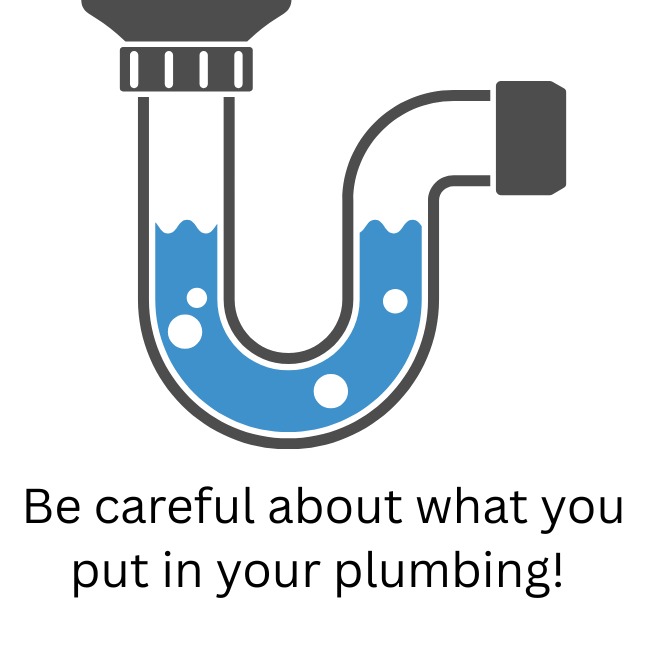
Be careful about what you put in your plumbing! (Photo of pipe)One of the easiest ways to avoid costly plumbing repairs is simple: don’t pour grease down the drain or flush “flushable” wipes (or any wipes besides toilet paper).

Grease may go down as a liquid, but it solidifies in your pipes, leading to buildup, clogs, and backups. And despite what the label says, most “flushable” wipes don’t break down like toilet paper. They can get stuck in your plumbing or the sewer system, causing serious and expensive problems.

Instead, try this:

  • Let grease cool, then toss it in the trash.

  • Always throw wipes away—even the ones labeled “flushable.”

Protect your plumbing and avoid unexpected repair bills with these quick and easy habits!

Posted in Home Maintenance
April 23, 2025

April is Safe Digging Month


April is National Safe Digging Month – What Homeowners Need to Know Before Digging

Spring is in the air, and for many homeowners, that means it’s time to tackle those outdoor projects—whether it's installing a new fence, planting trees, or building a patio. But before you grab a shovel and break ground, there's an important safety step you shouldn’t skip: calling 811.

April is National Safe Digging Month, a nationwide initiative to raise awareness about the importance of identifying underground utility lines before starting any digging project. Striking a buried gas, electric, water, or telecommunications line isn’t just an inconvenience—it can cause serious injuries, widespread service disruptions, and costly property damage.

What is 811?
811 is a free service operated by the Common Ground Alliance (CGA) in coordination with local utility companies. When you call 811 or submit a request online, professionals will visit your property and mark the location of underground lines using color-coded flags or paint—helping you dig safely and confidently.

Why It Matters for Homeowners and Buyers
As a homeowner—or if you’re in the process of buying a property—it’s important to be informed about the safety and legal responsibilities that come with outdoor improvements. Whether you're digging in your yard or hiring a contractor, make sure 811 is your first step.

Here's how it works:

  1. Call 811 or go to call811.com at least a few days before your project begins.

  2. A locator will come out and mark utility lines with environmentally friendly paint or flags.

  3. Each color corresponds to a specific type of utility line—gas, water, electric, etc.

  4. Once the area is marked, you can safely begin your project.

Bottom Line
Taking a few minutes to call 811 can save you time, money, and most importantly—keep you and your family safe. So this April, and anytime you plan to dig, remember: Know what’s below. Call 811 before you dig.


Looking to improve your home or prepare your yard before selling? Reach out—we’re here to help you make smart, safe moves in real estate.

Posted in Home Maintenance
April 20, 2025

2025 Bismarck-Mandan Parade of Homes - April 24th - 27th

Presented by the Bismarck-Mandan Home Builders AssociationParade of Homes

  • Purchase your parade tickets at any of the homes along the parade route by cash, check, or BMHBA Venmo.

  • Tickets are $10.00 for adults, children are free with a PARENT or GUARDIAN admission.

  • Register to win - After visiting your final parade home, complete the contact information on your printed ticket and drop it into a black ballot box located at each parade home. You will be entered for a chance to win one of the two grand prizes.

  • See the Parade website for more info. 
Posted in Events
April 18, 2025

How to Avoid Financial Stress When Purchasing a Home

Bedroom PhotoBuying a home is one of the biggest financial decisions you'll ever make—and it should be exciting, not stressful. But let’s be real: between mortgage rates, down payments, closing costs, and the temptation to stretch your budget for that dream kitchen, it’s easy for things to feel overwhelming. The good news? With a few smart strategies, you can avoid financial stress and actually enjoy the home-buying process.

Here’s how to keep your finances (and your sanity) in check when purchasing a home:

1. Know What You Can Really Afford

Just because a lender pre-approves you for a certain amount doesn’t mean you should spend that much. Take a good, honest look at your monthly expenses—utilities, groceries, car payments, savings goals, subscriptions—and make sure you’re comfortable with the mortgage payment, even if life throws a few curveballs.

Pro Tip: Use the 28/36 rule. Ideally, your mortgage should be no more than 28% of your gross monthly income, and your total debt (including car loans, credit cards, etc.) should stay under 36%.

2. Don’t Skip the Budgeting Phase

Before falling in love with granite countertops or cathedral ceilings, sit down and build a realistic budget. Include:

  • Down payment
  • Closing costs (usually 2–5% of the home price)
  • Moving expenses
  • Home repairs or upgrades
  • Furniture and appliances
  • Emergency fund (yes, still important!)
  • It’s easy to focus on the purchase price and forget about the other costs that come with buying a home.

3. Get Pre-Approved (Not Just Pre-Qualified)

A pre-approval shows sellers you're serious, but more importantly, it gives you a concrete idea of what loan terms and monthly payments to expect. It helps avoid heartbreak later—like falling in love with a $500,000 home when your budget tops out at $400,000.

4. Work with a Real Estate Agent You Trust

A good agent won’t just show you homes—they’ll be your guide through every step of the process. They can help you avoid common pitfalls, negotiate on your behalf, and point out hidden costs you might not be thinking about.

Bonus if they help you keep emotions in check when that beautifully staged home tries to seduce you out of your budget.

5. Leave Room in Your Budget for Surprises

Even new homes can come with unexpected costs: a higher-than-expected utility bill, a surprise repair, or HOA fees you didn’t factor in. Build a cushion into your budget so you’re not caught off guard.

6. Don’t Make Major Financial Moves Mid-Purchase

Avoid switching jobs, taking out new loans, or making big credit purchases (like furniture or a new car) until after closing. These moves can mess with your credit score or debt-to-income ratio and jeopardize your loan approval.

7. Keep the Long-Term in Mind

Stretching your budget for your “dream home” might seem worth it now, but how will you feel 6 months in when you're house-rich but cash-poor? Aim for a home that fits your life and goals—not just your Pinterest board.

Bottom Line

Buying a home should be a milestone you look back on with pride, not panic. With the right preparation and a team you trust, you can avoid financial stress and feel confident in your decision.

And hey—if you're thinking about making a move in Bismarck, Mandan, or anywhere nearby, we’re here to guide you every step of the way. Whether you’re buying your first home or your fifth, let’s make it a smooth, stress-free experience.

 

April 12, 2025

Should You Upgrade Your Home Before You Sell?

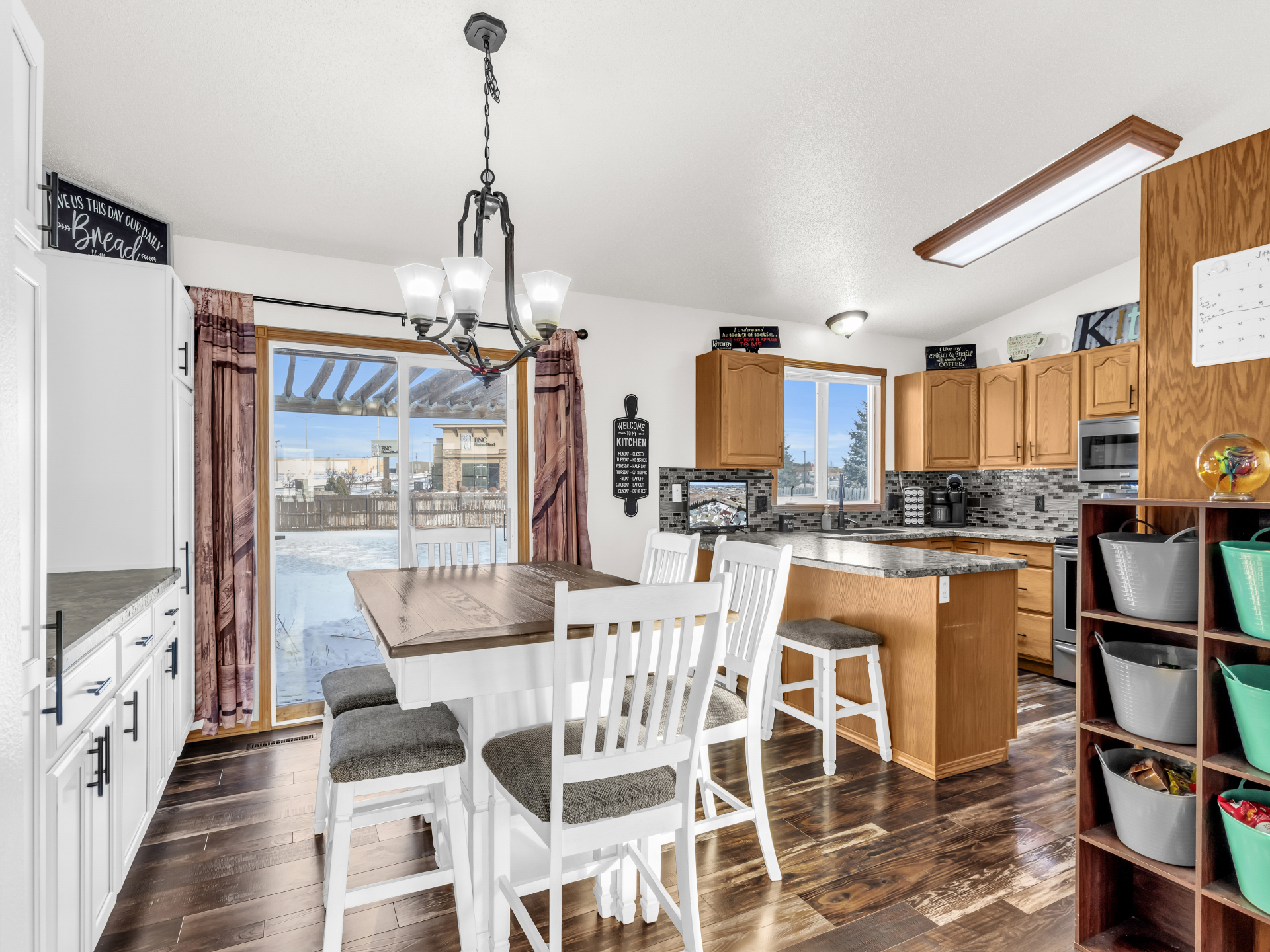
Should I Upgrade My Home Before I Sell It?Kitchen

Thinking about selling your home but wondering if upgrades are worth it? The short answer: It depends.

Minor updates = major impact.
Simple improvements—like fresh paint, updated lighting, or modern hardware—can instantly boost your home’s appeal without breaking the bank.

Kitchens and bathrooms sell homes.
If yours are outdated, small upgrades like new faucets, resurfaced cabinets, or modern fixtures can impress buyers and add value.

Don’t overdo it.
Major renovations may not give you a full return on investment. Focus on cost-effective updates that make your home feel clean, current, and move-in ready.

Curb appeal matters.
First impressions count. A tidy yard, fresh mulch, and a power-washed exterior can go a long way.

Bottom line:
Smart, strategic upgrades can help your home sell faster and for more—but skip the full remodel. A trusted real estate agent can help you decide what’s worth doing based on your market.

April 12, 2025

Spring Cleanup

Spring Cleaning Tips to Boost Your Home’s Appeal

Spring is the perfect time to refresh your home—especially if you're thinking of selling. A clean, well-kept home can make a lasting first impression on potential buyers. Whether you're preparing to list or just want to freshen things up, here are a few easy spring cleaning tips that make a big impact:

1. Start with the Exterior
First impressions matter. Power wash siding, clean the windows, and give your front door a fresh coat of paint if needed. Add a new doormat and a few planters with seasonal flowers to instantly boost curb appeal.

2. Declutter Inside and Out
Buyers want to see the space—not your stuff. Pack away personal items, streamline closets, and tidy up storage spaces like garages or sheds.

3. Deep Clean Key Areas
Focus on kitchens and bathrooms. These rooms often sway buyers’ decisions, so make sure surfaces sparkle, grout is clean, and fixtures shine.

4. Don’t Forget the Yard
Rake up leaves, trim overgrown shrubs, and plant fresh flowers. A well-maintained lawn can go a long way in creating a welcoming environment.

5. Neutralize and Refresh
If your walls are brightly colored or showing wear, consider repainting in neutral tones. Open the windows, let the fresh air in, and consider adding light spring scents to create an inviting atmosphere.

Ready to List?
Spring is one of the busiest seasons for real estate. If you’re considering selling, a little cleanup now could mean a quicker sale and a better offer later. Contact us to get a free home evaluation and customized tips for making your home market-ready.

Posted in Home Maintenance