Our blog covers local market statistics, community happenings, and other real estate topics. Please reach out if you have any questions at all. We’d love to talk with you!

YouTube Channel: https://www.youtube.com/@Homes701
Visit us on Instagram: thor_the_big_black_dog  |  701Drone

May 31, 2025

How the 10-Year Treasury Impacts Mortgage Rates--And Why It Matters to You

If you're buying a home, refinancing, or just keeping an eye on the housing market, you've probably noticed headlines about mortgage rates rising or falling. But have you ever wondered what actually drives those changes?

One of the biggest behind-the-scenes influencers is something you might not expect: the 10-year U.S. Treasury yield.


What Is the 10-Year Treasury Yield?

The 10-year Treasury note is a loan to the U.S. government that pays interest over a decade. It’s considered one of the safest investments out there. Because of its stability and popularity, the yield (or interest) on this note plays a major role in setting the tone for long-term interest rates—including mortgage rates.


Why Mortgage Rates Follow the 10-Year Treasury

You might think mortgage rates would follow the 30-year Treasury bond, since many home loans are 30-year fixed. But here's the catch: most homeowners don't keep their mortgage for 30 years. They sell, move, or refinance within 7 to 10 years. That makes the 10-year Treasury a more accurate benchmark.


Lenders and investors look at the 10-year Treasury to decide what interest rate to offer on mortgages. They typically add a “spread” of about 1.5 to 2 percentage points to cover risks like borrower default.


For example, if the 10-year Treasury yield is 3.5%, the average 30-year mortgage might land around 5.0% to 5.5%.


When Treasury Yields Go Up or Down...

Here's how movements in the 10-year yield generally affect mortgage rates:

Economic Trend

10-Year Yield

Mortgage Rates

Federal Reserve hikes rates

⬆️ Up

⬆️ Up

Inflation fears rise

⬆️ Up

⬆️ Up

Recession fears grow

⬇️ Down

⬇️ Down

Global uncertainty

⬇️ Down

⬇️ Down

When investors get nervous about the economy, they tend to move money into safe assets like Treasuries. That pushes prices up and yields down—which usually leads to lower mortgage rates. On the flip side, when investors are optimistic, they may sell Treasuries, causing yields and mortgage rates to rise.


Why This Matters to Homebuyers

Understanding the link between the 10-year Treasury and mortgage rates can help you:

  • Time your mortgage application strategically
  • Understand why rates are rising or falling
  • Better predict affordability in a shifting market

So next time you hear about the 10-year Treasury ticking up or down, you'll know what that might mean for your mortgage—and your monthly payment.
May 29, 2025

Why Radon Matters in North Dakota Real Estate

If you're buying or selling a home in North Dakota, there’s one invisible factor that should be on your radar: radon gas.

Radon is a naturally occurring radioactive gas that seeps into homes from the ground. It’s odorless, colorless, and tasteless—but it’s also the second leading cause of lung cancer in the U.S., right behind smoking. And here’s the kicker: North Dakota has some of the highest radon levels in the country.

Why Is Radon a Big Deal in North Dakota?

The geology of North Dakota—especially its soil and rock composition—makes it a hotspot for radon. According to the EPA, most of the state is in Zone 1, meaning average indoor radon levels are likely above the safe limit of 4.0 picocuries per liter (pCi/L).

That means even new homes with modern ventilation aren't immune.

What Homebuyers and Sellers Should Know

  • Testing is simple and affordable. You can get a radon test kit for as little as $10–$20 or hire a professional.

  • Mitigation systems work. If levels are high, a radon mitigation system can usually bring them down significantly—often for under $2,000.

  • Disclosure laws matter. Sellers in North Dakota are required to disclose known environmental hazards, including radon if it's been tested.

Bottom Line

If you're house hunting or listing a property in North Dakota, don’t skip the radon test. It’s a small step that can have a big impact on your health—and your peace of mind.

May 28, 2025

How Homebuyers Can Prevent Wire Fraud: 5 Smart Steps for a Secure Closing

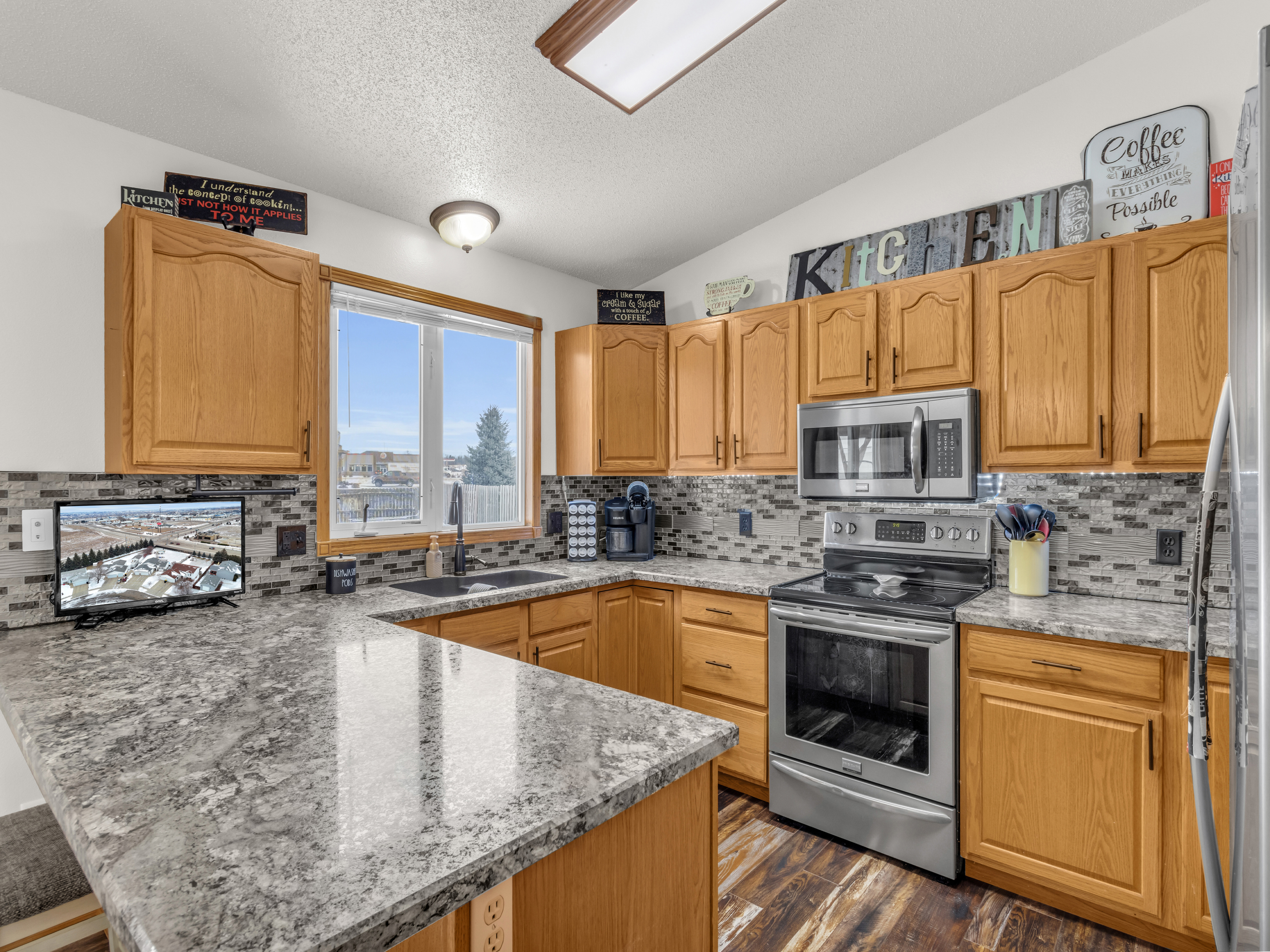
KitchenBuying a home is an exciting milestone — but did you know it can also be a target for cybercriminals? With more real estate transactions handled digitally, wire fraud has become one of the fastest-growing threats in home buying.
In fact, first-time buyers are three times more likely to fall for wire fraud schemes. But there’s good news: with the right steps and a little knowledge, you can protect yourself and your investment.

Here’s what you need to know — and how to stay safe.


What Is Wire Fraud in Real Estate?

Wire fraud occurs when a scammer tricks a buyer into wiring their closing funds (often tens or hundreds of thousands of dollars) to a fake account. These criminals usually gain access to email accounts and send what looks like legitimate wiring instructions — often timed right before closing, when buyers are expecting to move quickly.

Once the money is sent, it’s often gone.


5 Ways Buyers Can Protect Themselves from Wire Fraud

1. Verify Wire Instructions Over the Phone

Never trust wiring instructions sent by email alone. Always call your title company or real estate agent directly — using a verified number you’ve used before — to confirm the details. Don’t use phone numbers or links in the email.

2. Be Skeptical of Last-Minute Changes

If you receive updated wire instructions close to your closing date, be suspicious. Title companies rarely change this information last-minute. Always verify with a phone call.

3. Work With Security-Minded Professionals

Choose a real estate agent and title company that take cybersecurity seriously. In fact, nearly 80% of buyers say they’d rather work with an agent committed to security, even if it costs more — and for good reason.

4. Request a Wire Fraud Disclosure

Ask your agent or title company for a wire fraud disclosure early in the process. This document outlines how to identify and avoid fraud, and it shows your team is proactive about your security.

5. Be Cautious With Email

Never send sensitive information (like your Social Security number or bank details) over unsecured email. Use encrypted platforms when possible, and be alert for typos or strange email addresses that don’t match your contacts exactly.

What to Do If You Suspect Wire Fraud

If you think you’ve been targeted — or worse, sent money to the wrong place — act fast. Time is critical.

Here’s what to do immediately:

  • Contact your bank and ask them to issue a recall.

  • Report the incident to the FBI’s Internet Crime Complaint Center (IC3) at ic3.gov.

  • Contact your state’s Attorney General — for North Dakota, reach out to the ND Attorney General’s Office right away.

Peace of Mind Is Possible

Wire fraud is a serious risk, but it doesn’t have to derail your dream of homeownership. With a trusted agent by your side and a few smart precautions, you can keep your transaction secure — and focus on the excitement of getting your keys.


Ready to buy with confidence? We're here to guide you every step of the way — safely and securely.

May 27, 2025

Why We Celebrate Memorial Day – A Time for Gratitude

As real estate professionals, we often highlight the joy of finding a home, building community, and creating lasting memories. But on Memorial Day, we pause to recognize something even greater—the courage and sacrifice of the men and women who gave their lives serving our country.

Memorial Day, observed on the last Monday of May, is more than a long weekend or the start of summer. It's a time to honor those who made the ultimate sacrifice to protect the freedoms we enjoy—freedoms that include the right to live, work, and build our dreams in peace.

Take a moment to reflect on the meaning behind the holiday. Because of our heroes, the American Dream—owning a home, building a future—is possible.

From our real estate family to yours: we remember, we honor, and we thank those who served.

Posted in Events, Holidays
May 23, 2025

Reinvest in Your Home and Neighborhood: Bismarck’s Neighborhood Reinvestment Initiative

If you’re a Bismarck homeowner with a property built before 1995, there’s a powerful new opportunity to enhance your home and add value to your neighborhood—without breaking the bank. The City of Bismarck, in partnership with Gate City Bank and Capital Credit Union, has launched the Neighborhood Reinvestment Initiative (NRI) to offer reduced-interest loans for eligible home improvement projects.

This program is designed to breathe new life into older homes and strengthen communities by encouraging reinvestment in Bismarck’s existing housing stock.

Are You Eligible?

You might qualify if:

  • Your home was built in 1995 or earlier

  • Your home’s assessed value is $300,000 or less

  • You are the homeowner or will live in the home after renovations

  • Your project loan is between $10,000 and $100,000

  • Your improvements enhance the home and the surrounding neighborhood

Whether you’re upgrading your roof, updating outdated plumbing, or modernizing your kitchen, eligible improvements can boost curb appeal and property value while helping revitalize your part of town.

How to Apply

Applications for the 2025 building season are open from March 17 through November 30, 2025—but funds are limited and awarded on a first-come, first-served basis. To apply, fill out either the Capital Credit Union or Gate City Bank application and email it to the City’s Planning Division.

Want to speak with someone directly? Contact the Community Development Department at 701-355-1840 for assistance.

Bonus Incentives

Your project may also qualify for a 3-year property tax abatement under the residential remodel exemption—an additional perk for homeowners looking to maximize long-term value.

For full program guidelines and eligible improvement categories, check out the Neighborhood Reinvestment Initiative overview or download the full guide (PDF).


If you've been considering a home improvement project, now is the time to invest in your home—and your neighborhood’s future.

Posted in Home Maintenance
May 22, 2025

Mandan’s Neighborhood Revitalization Initiative Returns for 2025

Homeowners in Mandan have a great opportunity to reinvest in their properties through the return of the Neighborhood Revitalization Initiative for 2025. In partnership with Gate City Bank and Capital Credit Union, the City of Mandan is offering low-interest home equity loans to support home improvement projects that preserve and enhance the city's aging housing stock.

Whether you’re looking to update your kitchen, replace your roof, or make important safety upgrades like radon mitigation, this initiative can help turn your renovation plans into reality.

Program Highlights:

Available Funding:

    •    Gate City Bank: $2 million in loans, rates starting at 4.48%

    •    Capital Credit Union: $750,000 in loans, rates starting at 4.49%

    •    Loan amounts: $10,000 – $100,000

    •    Repayment terms: 10 to 15 years

    •    Application deadline: October 31, 2025

Homeowner Eligibility:

To qualify, homeowners must:

    •    Reside within Mandan city limits

    •    Own a 1- or 2-unit home that is at least 40 years old

    •    Have a home assessed at $275,000 or less

    •    Be current on property taxes and special assessments

Eligible Projects Include:

    •    Foundation repair, roofing, siding, windows

    •    Kitchen and bathroom remodels

    •    Water and sewer line upgrades

    •    Radon mitigation and more

City staff will assist with application reviews, and loan disbursements will be handled by Gate City Bank and Capital Credit Union.

Ready to get started? Learn more and apply online at:

cityofmandan.com/neighborhoodrevitalization

Posted in Home Maintenance
May 20, 2025

Home Upgrades That Won’t Boost Your Sale Price

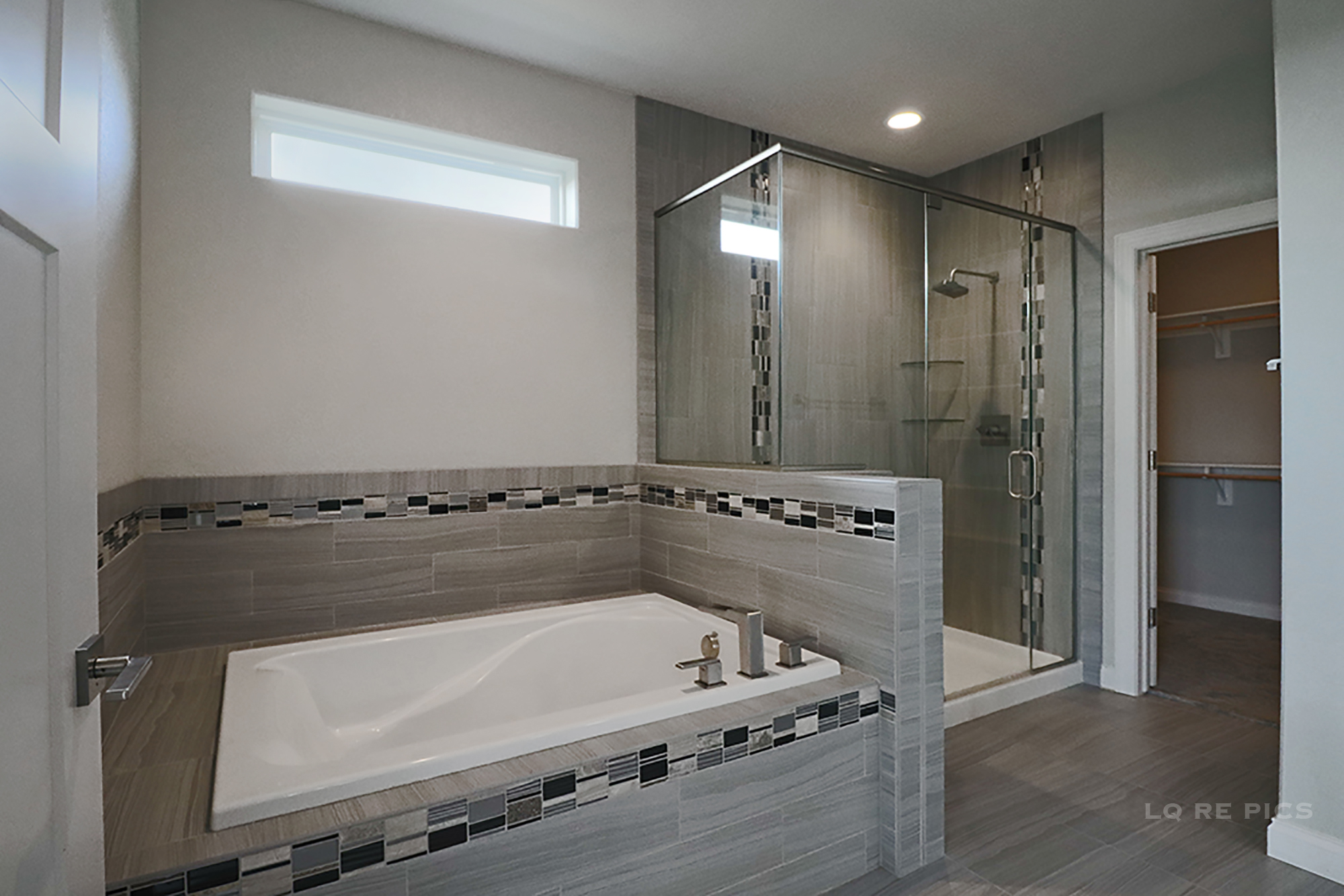
Tub and shower in bathroomWhen preparing to sell your home, it’s natural to want to make upgrades that will attract buyers and increase your resale value. But not all improvements deliver a strong return on investment. In fact, some can actually hurt your bottom line if they don’t align with buyer expectations or market norms.
Here are six home updates to think twice about before you commit:

1. Swimming Pools
While great for personal enjoyment, pools can be a turnoff for some buyers. They're often seen as high-maintenance, expensive, and even hazardous—especially for families with small children. Unless you're in a warm climate where pools are common and expected, installing one might not add value.

2. Overbuilding for the Neighborhood
Adding space is appealing, but if your home becomes significantly larger than others on the block, you risk pricing yourself out of the market. Buyers may see your property as over-improved and overpriced for the area, no matter how luxurious the updates.

3. High-End Upgrades in a Mid-Range Home
Luxury finishes can backfire if the rest of your home—or the neighborhood—doesn’t match. Consistency is key. Buyers prefer a home with cohesive, well-balanced improvements rather than one with a few standout upgrades and dated or neglected areas elsewhere.

4. Invisible Improvements
Upgrades like a new HVAC system, roof, or plumbing are essential, but don’t expect them to boost your listing price. Buyers expect major systems to be in good working order—they’re unlikely to pay a premium just because they’re new.

5. Wall-to-Wall Carpeting
Most buyers today prefer hardwood or luxury vinyl flooring. Wall-to-wall carpet can be a red flag due to allergens and upkeep. If possible, consider replacing old carpet or revealing and refinishing original wood floors to appeal to modern tastes.

6. Expanded Owner’s Suites at the Expense of Bedrooms
While a spacious owner’s suite can be a selling point, converting an extra bedroom into more suite space can backfire. Reducing bedroom count may narrow your buyer pool and make your home harder to sell, especially to families.

Smart Updates Start with Expert Advice

Every market is different, and the best upgrade strategy depends on your home, neighborhood, and local trends. If you're considering selling and want to make informed choices, I’m here to help. Let’s create a plan that maximizes your home’s appeal and your return.

Feel free to reach out—your success is our priority.

May 19, 2025

Thinking of Selling Your Home? Avoid These 10 Common Mistakes
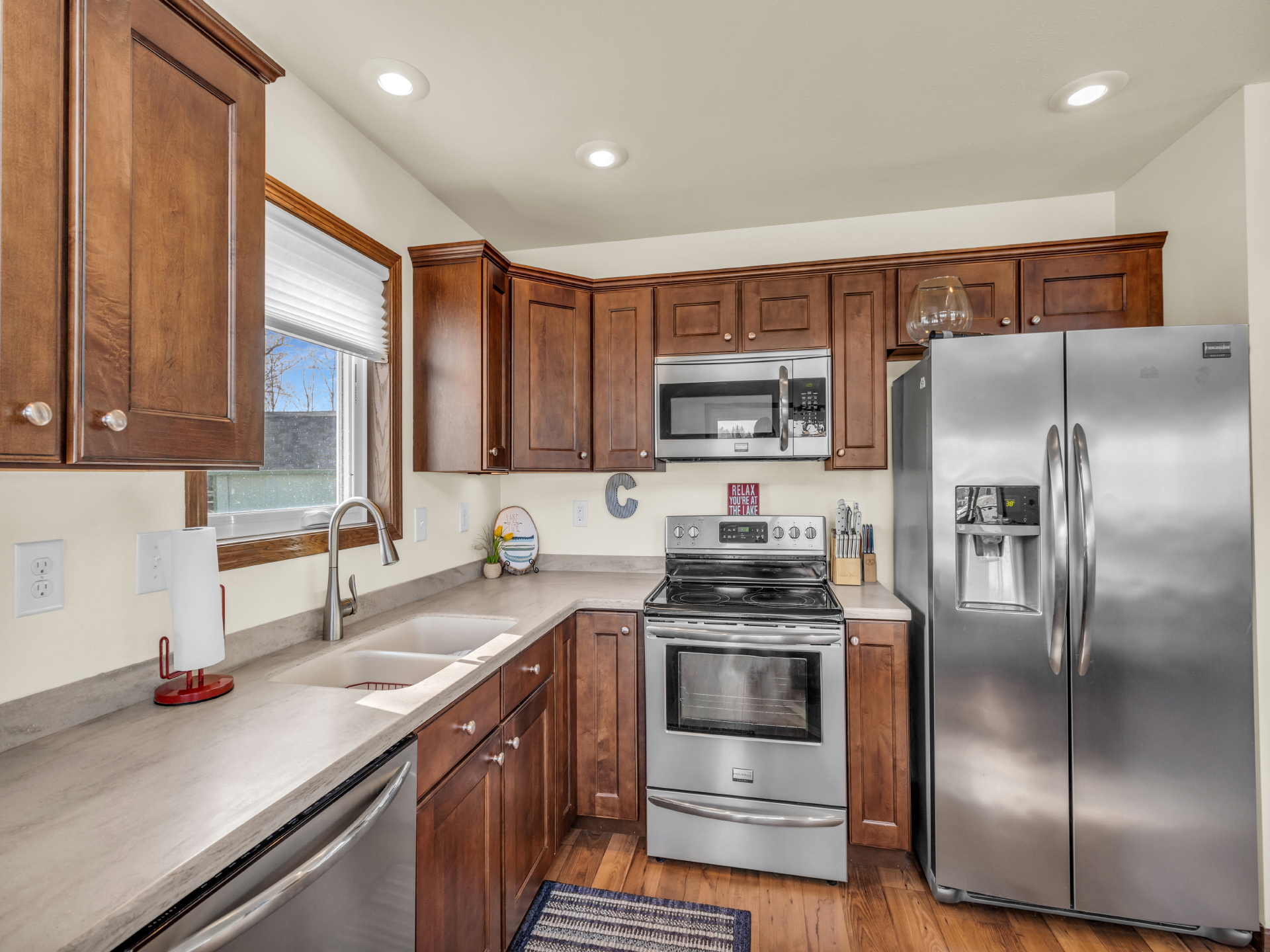
KitchenThinking of Selling Your Home? Avoid These 10 Common Mistakes

If you're gearing up to sell your home in the coming year, planning ahead is key to a smooth and successful transaction. Too often, sellers run into avoidable setbacks that can cost time, money, and peace of mind.

To help you stay on track, here are 10 common mistakes to steer clear of when selling your home:

1. Overpricing Your Home
Price it right from the start. Overpricing can scare off buyers, while underpricing might leave money on the table. Partner with a knowledgeable real estate agent to determine a competitive price based on your home’s value and current market trends.

2. Neglecting Repairs and Updates
Even minor issues can turn buyers away. A well-maintained home not only shows better but can also command a higher price. Take care of any necessary repairs and consider cost-effective updates to make your home shine.

3. Inadequate Staging
First impressions matter. A properly staged home helps potential buyers imagine themselves living in the space. Decluttering, depersonalizing, and styling key areas can go a long way.

4. Ignoring Curb Appeal
Your home’s exterior sets the tone. Boosting curb appeal with fresh landscaping, clean walkways, and a welcoming entryway can create a strong first impression that draws buyers in.

5. Limited Marketing
Gone are the days when a “For Sale” sign was enough. Maximize your home’s visibility with high-quality photos, online listings, social media promotion, and professional marketing strategies.

6. Ignoring Market Trends
Real estate markets shift—and quickly. Stay informed and flexible. A skilled agent can help you adjust your strategy to align with local trends and buyer behavior.

7. Being Inflexible
Selling a home often involves negotiation. Being too rigid on price, terms, or timelines can lead to lost opportunities. Stay open to reasonable offers and be willing to work with buyers to reach a win-win outcome.

8. Skipping the Pre-Listing Inspection
A pre-listing inspection can highlight any issues before your home hits the market, giving you the chance to address them early and avoid surprises during negotiations.

9. Poor Timing
Timing can significantly impact your sale. Discuss the best time to list your home with your agent to take advantage of favorable market conditions.

10. DIY Everything
While DIY can be tempting, major renovations or technical updates are often best left to professionals. Avoid costly mistakes by knowing when to call in the experts.

Let’s Make Your Home Sale a Success

If you're considering selling your home, we're here to help you navigate the process, avoid these common pitfalls, and create a strategic plan tailored to your goals. Have questions or ready to get started? Let’s talk!


Your satisfaction is our top priority—let’s work together to make your selling experience seamless and rewarding.

May 16, 2025

April 2025 Market Snapshot: Single-Family Homes in Bismarck

If you're keeping an eye on the Bismarck (58503) housing market, April 2025 brought some notable shifts — especially in inventory and buyer demand.


Market Overview

In April 2025, the Bismarck had 2.5 months of inventory, compared to 3.9 months in April 2024. This signals a tighter market with fewer homes available relative to demand — a clear indicator of a seller-friendly environment.


Key April 2025 Stats for Single-Family Homes

  • New Listings: 25
  • Total Homes for Sale: 76
  • Pending Sales: 32
  • Closed Sales: 27
  • Average Days on Market: 36 days

Hot Price Range: $275,000–$350,000

Homes in the $275,000 to $350,000 price range are moving fast — just 3 days on market on average. That’s an extremely competitive segment, showing high buyer interest and limited time for decision-making.


What This Means for You

Sellers: With low inventory and quick turnaround times, this could be a great moment to list your home — especially if it’s in that hot mid-range price bracket.


Buyers: Be prepared to act quickly, especially on competitively priced homes. Getting pre-approved and staying informed will give you an edge.


Want a personalized market analysis or help navigating this fast-paced market? Contact us—we’re here to help you make the most of your next move.

Posted in Taxes
May 14, 2025

First-Time Homebuyer Mortgages & Loan Limits in North Dakota

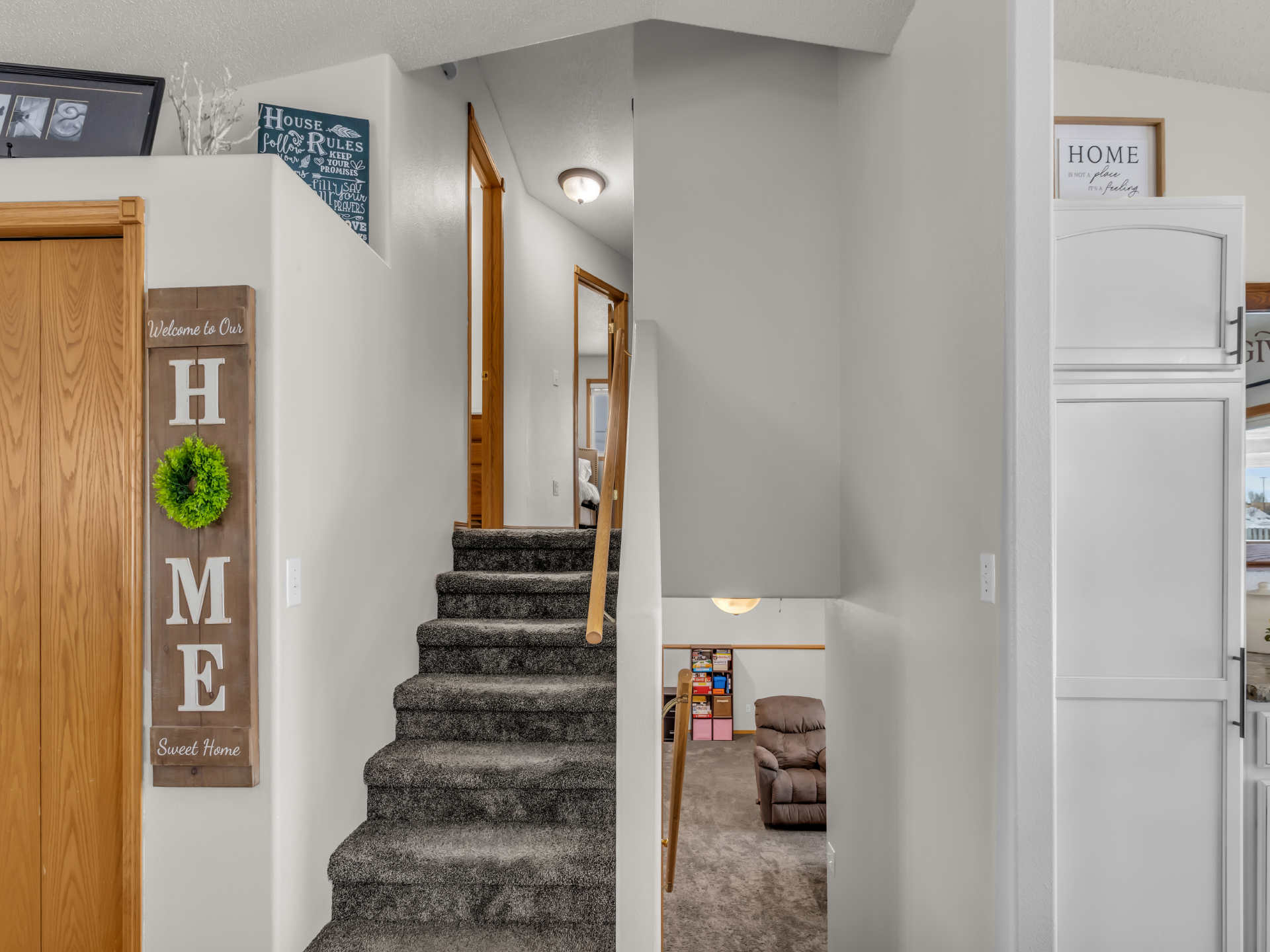
Stairs of a multi-level home5-14-2025

If you're buying your first home in North Dakota, there are some great mortgage options and assistance programs available to make the process easier and more affordable.

The North Dakota Housing Finance Agency (NDHFA) offers the FirstHome Program, tailored for first-time buyers. This program provides competitive interest rates and down payment assistance of up to 3% of the loan amount. See the NDHFA website.

Income & Loan Limits (2025):

Income Limits: Up to $124,545 for larger households in most areas and the home must be your primary residence.

Purchase Price Limit: Up to $390,000 statewide

You’ll also need a minimum credit score of 620 and must complete a homebuyer education course.

Some cities, like Bismarck, offer additional down payment assistance—up to $12,000 for eligible buyers.

These programs are designed to help North Dakotans transition into homeownership with less financial stress.


See FHA Limits for Home Loans in 2025 on FHA.com


Ready to explore your options? Reach out today and take the first step toward owning your own home in North Dakota. We can provide you with a list of area lenders who can answer all of your questions.